Water in the house? Start here.
A plain checklist for the first hour after a leak, burst pipe or backup, and a way to reach an independent local restoration company. We are a referral service, not a contractor.
The first hour
What to do right now
- Stop the water. Find the main shutoff, usually near the front of the house or in the garage where the line enters, and turn it clockwise until it stops.
- Keep away from wet outlets and cords. If water is near the electrical panel or outlets, turn off power to that area at the breaker only if you can reach it from a dry spot.
- Take photos and video of everything before you move anything. Your insurer will ask for them.
- Move rugs, electronics and paperwork off wet floors. Put foil or plastic under furniture legs.
- Call your insurance company to open a claim, and ask what they need from you.
What happened?
Pick the closest match
Water damage
If water got into your floors, walls or ceiling, the first hour is about stopping it and staying safe. Drying it out properly is a job for a restoration company.
Burst pipes
A burst or split pipe can put a lot of water on the floor in a short time. Shut off the main valve first, then deal with the mess.
Slab leaks and flooding
A slab leak is a break in a water line under the concrete floor. Flooding can also come from outside during a monsoon storm. Both need drying, but insurance handles them differently.
Sewage backup
Sewage is contaminated water. Keep people and pets away from it, and leave the cleanup to a company equipped for it.
Mold
Mold needs moisture. Fix the water problem first, then deal with the mold, or it comes back.
Fire and smoke
After a fire, wait for the fire department to say the house is safe. Smoke, soot and the water used to put the fire out all need cleanup.
Where
West Valley cities
Each page covers what tends to fail in that city's homes, who supplies the water, and local flood notes.
Living in the desert
Why water damage here is its own thing
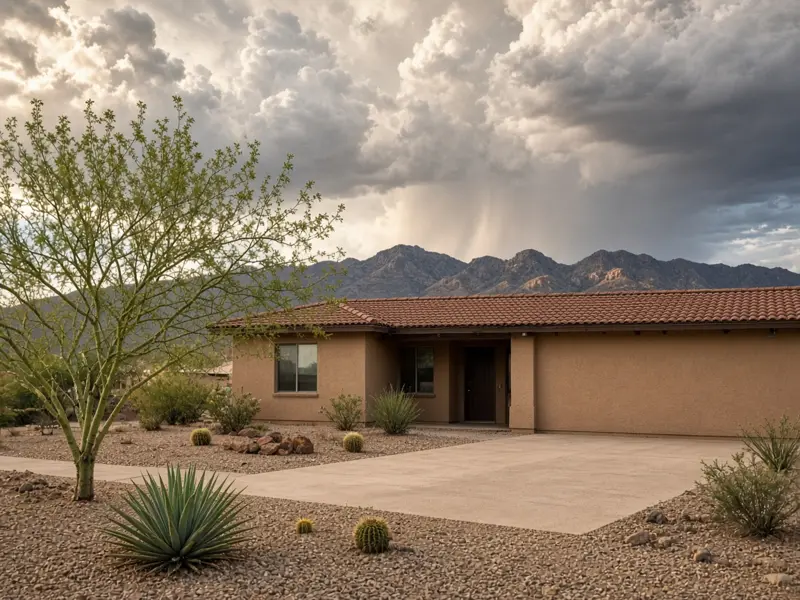
Almost every home in the West Valley sits on a concrete slab. With no basement, a leak spreads sideways under tile and carpet and soaks into the bottom of the walls. A slab leak can run for days before it shows.
Phoenix-area water is hard. Scale builds up inside water heaters, valves and softener parts, and that wear is a common reason they start to leak. Summer brings AC drain lines that clog and roof coolers that overflow. Monsoon season, which the National Weather Service sets at June 15 to September 30, adds fast storm runoff near washes. And on the coldest winter nights, exposed pipes and hose bibs can still crack.
Quick answers
Who answers when I call?
Once our line is open, your call is routed through a partner call network to an independent restoration company that serves your area. We are not that company and we do not do the work.
Do you charge homeowners?
No. Restoration companies pay for the referral. Any price for the work itself is between you, the company you choose and your insurer.
What should I do before anyone arrives?
Stop the water at the main valve, stay away from wet electrical, take photos, and call your insurer. The checklist on this page has the details.